Medical Translation vs Interpretation: A Clinical Guide for UK Healthcare
Whilst many clinicians view language support as a single requirement, the functional gap between written translation and real-time interpretation determines the success of a clinical outcome. Relying on an ad hoc approach increases operational risk and contributes to the high overhead associated with manual workflows. Understanding exactly when to use a medical interpreter is a critical skill for modern UK healthcare professionals who must meet the legal standards set by the Equality Act 2010 whilst managing complex patient lists.
We recognise the pressure of balancing immediate patient access with the need for accurate discharge summaries and clinical records. This guide clarifies the distinctions between these two disciplines to help you enhance patient safety and reduce clinical admin time. You'll gain a clear framework for allocating resources effectively, ensuring that your communication strategy is both compliant and efficient. Doctoria® provides the infrastructure needed to bridge these gaps, moving beyond manual processes toward a streamlined, mission-critical model of inclusive care.
Key Takeaways
- Differentiate between written medical translation for static documentation and real-time interpretation for dynamic patient interactions.
- Identify the specific clinical triggers for when to use a medical interpreter to prevent diagnostic errors and ensure informed consent during live consultations.
- Optimise clinical workflow efficiency by allocating resources to translation for pre-planned administrative tasks and interpretation for emergency admissions.
- Reduce operational overhead and patient safety risks by implementing Doctoria Real-time Interpretation for Healthcare in high-stakes environments.
- Align your department with NHS standards and legal requirements under the Equality Act 2010 through professional linguistic support.
The Fundamental Distinction: Written Translation vs Spoken Interpretation
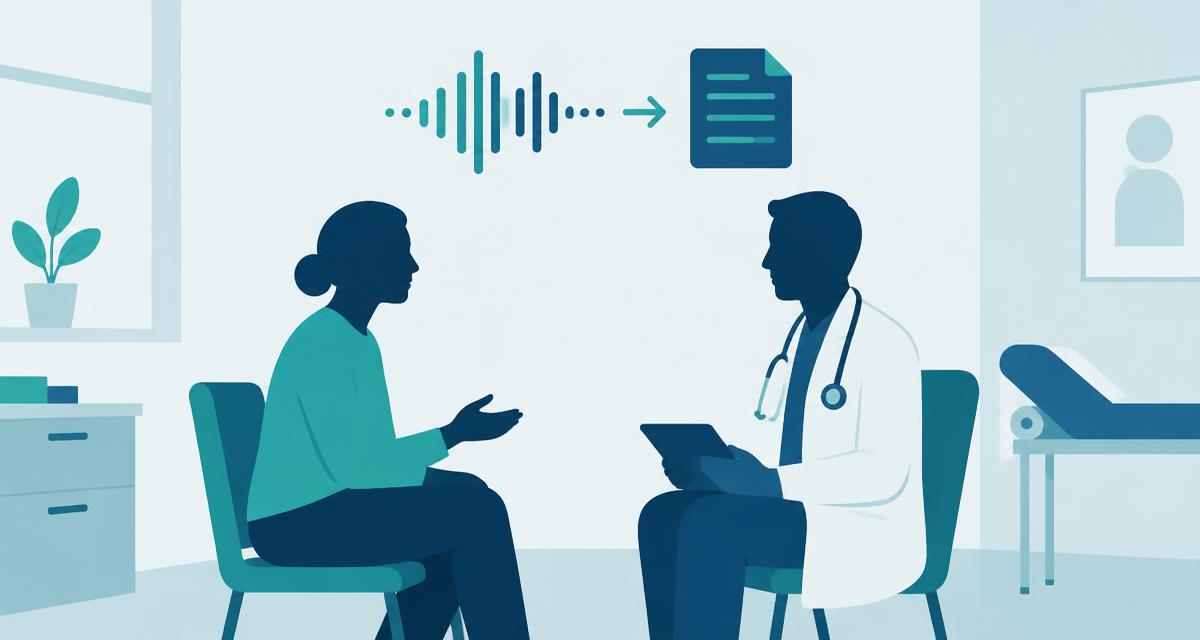
Effective clinical communication relies on a precise understanding of The Fundamental Distinction between text-based translation and spoken interpretation. Whilst both disciplines facilitate understanding, they operate on different timelines and serve distinct operational purposes. Medical translation involves the accurate conversion of written documents, such as discharge summaries and consent forms, where terminological precision is the priority. In contrast, medical interpretation is the real-time conversion of spoken dialogue during clinical consultations or emergency admissions.
Translation prioritises archival accuracy and validation over speed. It's a structured process that allows for multiple layers of review to ensure documents are legally and clinically sound. Interpretation requires immediate linguistic processing to facilitate safe, empathetic communication between the clinician and the patient. This real-time exchange is vital for building trust. It's about the immediate moment of care.
The Role of Written Medical Translation
The Role of Spoken Medical Interpretation
Spoken interpretation is critical for real-time diagnostic accuracy and understanding patient symptoms during a physical examination. Knowing when to use a medical interpreter is essential for clinicians who need to facilitate immediate exchanges to support prompt clinical decision-making. This modality reduces the risk of clinical incidents by ensuring the patient fully understands their treatment plan whilst in the surgery. It focuses on the immediate exchange of information to support safe outcomes. Advanced infrastructure, such as Doctoria Real-time Interpretation for Healthcare, provides the necessary linguistic support for these mission-critical environments.

Clinical Applications: Choosing the Correct Communication Modality
Clinicians must identify the appropriate service based on the urgency and nature of the patient interaction. Whilst translation is appropriate for pre-planned documentation where time allows for rigorous validation, interpretation is mandatory for live interactions. Misallocating these services can lead to operational delays or, in severe cases, compromised patient safety. Knowing exactly when to use a medical interpreter ensures that your practice remains compliant with GMC standards for effective communication and patient autonomy.
The choice between written and spoken support is often a matter of clinical risk management. Static records require precision; live consultations require agility. Failure to deploy the correct modality can result in high operational overhead and increased administrative burden on clinical staff. It's about safety and efficiency in high-stakes environments.
When to Organise Medical Translation
Translation services are best utilised for static information that patients take home for reference. This includes discharge summaries, post-operative care instructions, and administrative notifications regarding centralised health screenings. It's also vital for ensuring that automated medical documentation for doctors is correctly localised for diverse patient populations. This process prioritises archival accuracy, allowing for professional proofreading before the document reaches the patient's hands.
When to Deploy Medical Interpretation
Live consultations require the immediate linguistic processing that only an interpreter can provide. This is critical during initial triage and A&E admissions where immediate patient history and symptom descriptions are required for safe treatment. It's also vital for mental health assessments where tone, nuance, and empathy are mission-critical. For routine GP appointments, understanding when to use a medical interpreter allows for real-time discussion of medication adherence and immediate clinical feedback. To streamline these interactions, Doctoria Real-time Interpretation for Healthcare provides a reliable framework for immediate, high-quality linguistic support in any clinical setting.
Improving Consultation Outcomes with Real-time Medical Interpretation
Doctoria Real-time Interpretation for Healthcare® provides a sophisticated solution for immediate linguistic needs in clinical settings. By leveraging advanced AI-driven interpretation, language barriers no longer delay critical care in high-stakes environments. The platform's architecture integrates into existing clinical workflows, reducing the administrative burden on NHS staff who otherwise spend hours coordinating external linguists. Reliable interpretation supports the reduction of operational risk by providing instant access to over 100 languages, ensuring that no patient is left without a voice during their care journey.
Ensuring Patient Safety through Instant Access
Real-time interpretation eliminates the waiting period often associated with booking human linguists for urgent consultations. Clinicians can maintain the pace of their clinic whilst ensuring non-English speaking patients receive the same standard of care. This is a primary factor in deciding when to use a medical interpreter during unplanned admissions or triage. Refer to real-time language interpretation for patient safety to address common misconceptions about technology in the consultation room. By removing the lag between admission and communication, clinical outcomes improve and the risk of misdiagnosis decreases.
Compliance and Security in Interpretation Technology
Doctoria prioritises total data privacy, adhering to GDPR and NHS clinical safety standards for all interpretation sessions. The software provides a secure environment for sensitive patient data, unlike unvalidated consumer translation tools that may compromise confidentiality. Doctoria interpretation services are built to meet the rigorous demands of UK healthcare infrastructure. This commitment to security ensures that clinicians can focus on care without worrying about compliance breaches. Knowing when to use a medical interpreter powered by secure, clinical-grade AI allows for a more responsive, inclusive service that meets the legal obligations of the Equality Act 2010.
Advancing Clinical Communication and Operational Safety
The distinction between written translation and spoken interpretation isn't merely semantic; it's a matter of clinical precision and systemic efficiency. Whilst translation secures the accuracy of the patient record, real-time interpretation facilitates the critical human connection required during diagnosis and triage. Identifying exactly when to use a medical interpreter allows UK healthcare providers to meet their legal obligations under the Equality Act 2010 whilst maintaining a fast-paced clinical workflow.
Doctoria® provides the vital infrastructure needed to bridge these linguistic gaps safely. Supported by Innovate UK funding and fully compliant with NHS data security standards, our platform is specialised for high-stakes clinical and emergency environments. By integrating real-time linguistic support, you reduce operational risk and ensure that language barriers never compromise the quality of care.
Discover how Doctoria Real-time Interpretation facilitates safer consultations and supports your mission to provide inclusive, efficient healthcare for every patient.
Frequently Asked Questions
What is the primary difference between a medical translator and a medical interpreter?
Medical translators specialise in the conversion of written text, whereas medical interpreters facilitate spoken dialogue in real-time. Translators work on static documents such as consent forms or patient information leaflets where archival precision is the priority. Interpreters operate during live interactions, such as GP consultations or A&E admissions, to ensure immediate understanding between the clinician and patient. This distinction is fundamental when deciding when to use a medical interpreter versus a translation service.
Does the GMC require professional interpretation for non-English speaking patients?
The General Medical Council (GMC) mandates that doctors must take steps to meet patients' language and communication needs. This requirement ensures that patients can provide informed consent and fully understand their treatment options. Relying on professional linguistic support is a core component of meeting these professional standards and maintaining patient safety. Providing an interpreter is also a legal obligation under the Equality Act 2010 to ensure equitable access to care.
Can healthcare providers use family members instead of professional interpretation services?
Clinicians should avoid using a patient's family members or friends for interpretation except in life-threatening emergencies where no other option is available. Family members often lack the specialised clinical vocabulary required for accurate diagnosis and may unintentionally filter or omit sensitive information. Professional services, such as Doctoria Real-time Interpretation for Healthcare, provide an objective and secure alternative that preserves patient confidentiality and ensures clinical accuracy.
How does real-time interpretation software ensure clinical accuracy in a hospital setting?
Sophisticated interpretation platforms use models specifically trained on vast datasets of medical terminology and clinical contexts. These systems provide high-fidelity, immediate conversion of dialogue, which reduces the risk of miscommunication during triage or physical examinations. By removing the operational lag of manual booking, the technology allows clinicians to clarify symptoms and treatment plans instantly. This immediate access is a primary factor in knowing when to use a medical interpreter in high-stakes environments.
Is medical interpretation software GDPR compliant for use in the NHS?
Doctoria Real-time Interpretation for Healthcare is built with a radical commitment to security and adheres strictly to GDPR and NHS data protection standards. All data flow is encrypted and processed within secure environments to ensure total patient privacy. Unlike unvalidated consumer translation tools, this professional infrastructure is designed to meet the rigorous compliance frameworks and clinical safety standards required by UK healthcare organisations.